Governance
A structured governance system to ensure transparency and sustainable growth
The corporate governance model adopted by LOGO is designed to ensure transparency, effective decision-making and the creation of sustainable value for all stakeholders. The governance structure operates across several levels, with management, control and supervisory functions in line with Italian regulations and recognised principles of good governance.
Governance structure
LOGO adopts a traditional management and control system as provided for by the Italian Civil Code. The model is based on three main bodies:
- Shareholders’ Meeting: represents the shareholders (eight in total, none holding a majority stake) and approves the company’s key strategic decisions.
- Board of Directors: the management body with full authority over strategy and operations.
- Board of Statutory Auditors: responsible for statutory oversight and financial auditing.
The Board of Directors is composed of three executive directors and two independent non-executive directors, appointed according to objective selection and diversity criteria. The Board is responsible for defining corporate strategy, overseeing operational and financial performance, and ensuring compliance with regulations.
Supporting the Board are:
- The Supervisory Body (Legislative Decree 231/2001), which ensures compliance with regulations and ethical principles.
- The Sustainability Committee, established in 2023 to integrate environmental and social objectives into the company’s strategy.
Members of the Board of Directors

GABRIELE FRIDEGOTTO
Chairman
Chief Executive Officer

MARIA GIRARDEL
Vice-chairman
Chief Financial Officer

ALESSANDRO OSTO
Administrator
Health, Security and Environment Manager

NICOLA PREVEDELLO
Administrator
Head of Sales

GIANLUCA POLITI
Advisor
Plant Production Director
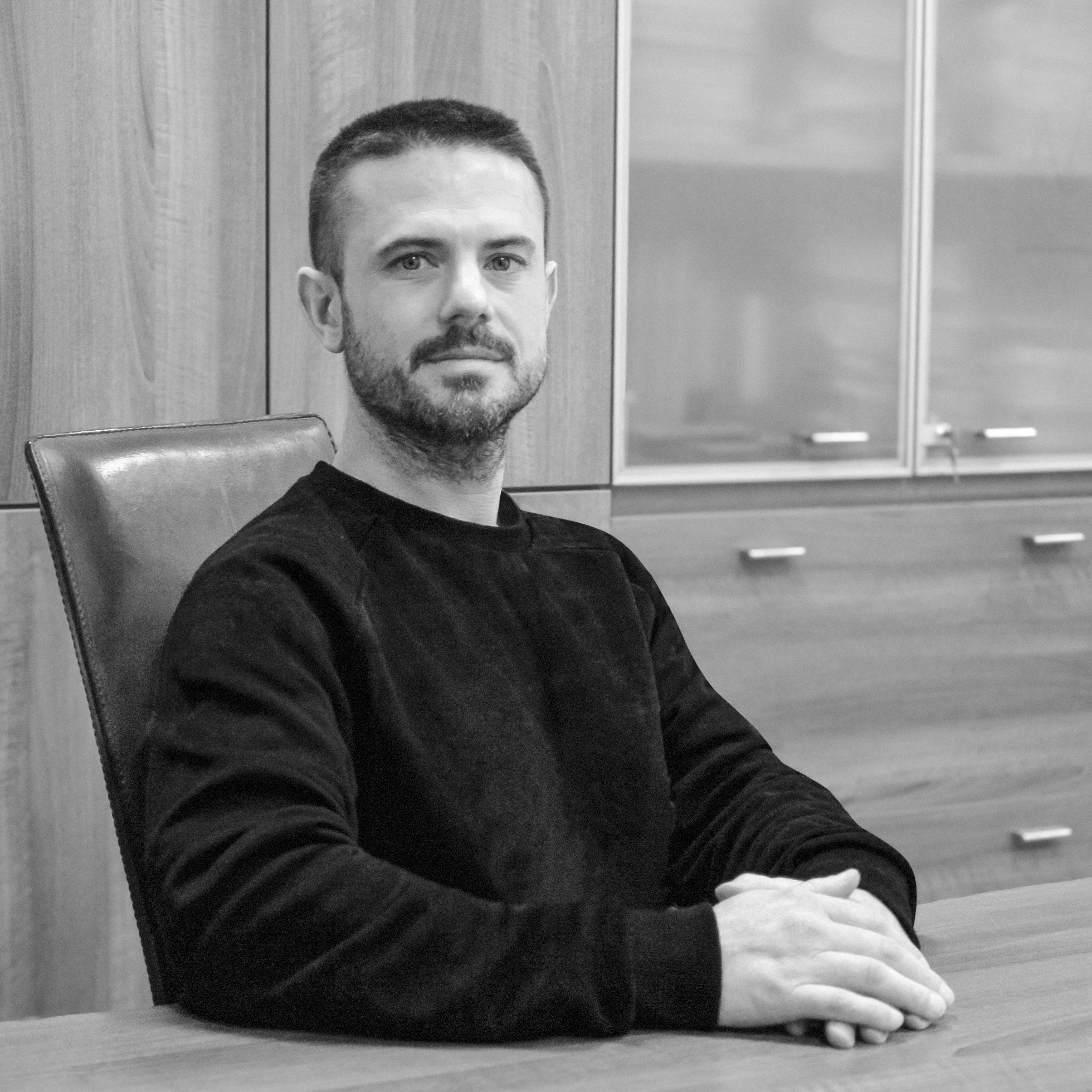
VALENTINO BRAZZALOTTO
Advisor
Plant Production Director
Internal control and risk management system
LOGO has developed a robust internal control system designed to ensure:
- Transparency and reliability in financial operations.
- Compliance with regulations and internal policies.
- Protection of company assets and the minimisation of operational risks.
This system is based on:
- Risk assessment and management.
- Process and operational control activities.
- Continuous monitoring by management.
The company continuously monitors regulatory developments to ensure compliance and minimise the risk of non-conformity.
Code of Ethics and Organisational Model 231
LOGO has adopted a Code of Ethics that defines the principles of transparency, fairness and integrity on which the company’s activities are based. Compliance with these principles is required of all employees, contractors, suppliers and business partners.
In addition, the Group has implemented an Organisation, Management and Control Model in accordance with Legislative Decree 231/2001, designed to prevent unlawful conduct and ensure adherence to corporate rules. The whistleblowing system, introduced in 2021, enables potential violations to be reported while protecting whistleblowers from any form of retaliation.
Governance focused on sustainability
LOGO considers governance a key factor in responsible growth. For this reason, the Sustainability Committee is responsible for overseeing environmental and social initiatives such as:
- The company’s pathway towards carbon neutrality.
- Employee benefits programs.
- Support for the local community.
Supply chain management is carefully monitored to ensure compliance with ethical, social and environmental standards. Suppliers are required to adhere to the Code of Ethics and to the UN principles on human rights.
A solid model for the future
LOGO has built a strong and dynamic governance framework capable of responding to market challenges with responsibility and foresight. Thanks to a structured and transparency-driven management system, the Group is able to ensure efficiency, compliance and sustainable value over time.
The company will continue investing in the ongoing improvement of its governance system, strengthening internal controls, risk management and sustainability policies in order to further consolidate its position as a leading player in the industry.